
How a Water Well Drilling Rig Works
A Complete Arizona Guide to Drilling, Depths, Aquifers, and the Technology Behind Every Water Well
When people hear “well drilling,” they often imagine a simple hole being drilled into the ground. But in reality, a water well drilling rig is one of the most advanced machines in the entire groundwater industry—capable of cutting through layers of soil, boulders, volcanic material, gravel beds, and even solid bedrock to reach deep Arizona aquifers.
Understanding how a drilling rig works helps homeowners, farmers, ranchers, and commercial property owners make better decisions when planning a well, estimating costs, or comparing drilling companies.
This guide breaks down every stage of the drilling process, the components of the rig, and the geological layers we encounter while drilling wells in Phoenix, St. Johns, Tucson, and Arizona’s surrounding regions.
1. What a Water Well Drilling Rig Actually Does
A water well drilling rig is a specialized industrial machine designed to:
✔ Break through earth layers
✔ Remove cuttings
✔ Stabilize the borehole
✔ Reach the aquifer
✔ Install casing and screens
✔ Build a functional water well
Most rigs used in Arizona are rotary drilling rigs with the power to drill hundreds—and often thousands—of feet deep.
Modern rigs cost anywhere from $300,000 to $1 million+, depending on size, torque, and capabilities. They are engineered to handle Arizona’s harsh geology, from clay soils to volcanic basalt.
2. The Major Parts of a Water Well Drilling Rig
A professional-grade drilling rig includes several essential systems. Here’s a breakdown of the most critical components:
1. Mast / Derrick
A tall steel tower that supports the drill pipe as it is raised and lowered. Some rigs can lift thousands of pounds of drill string at a time.
2. Drill String (Drill Pipe Sections)
Steel pipes that connect together to reach deep underground. As the well goes deeper, more pipe is added.
3. Drill Bit
- The tool that actually cuts through earth layers. Types include:
- Tri-cone bits – for rock and mixed formations
- PDC bits (polycrystalline diamond) – for hard rock
- Drag bits – for softer formations
4. Rotating Head
This system spins the drill string, allowing the bit to cut through rock.
5. Mud Pump / Air Compressor
Used to circulate drilling fluid or compressed air down the borehole to:
- Cool the drill bit
- Bring cuttings to the surface
- Stabilize the wellbore
Air rotary rigs are most common in Arizona because air easily lifts rock fragments and sand in dry formations.
6. Blowout Preventer (BOP)
A safety device that prevents uncontrolled pressure releases.
7. Casing, Screen, and Gravel Pack
Installed once the target aquifer is reached. These components keep the well stable and ensure clean water flow.
3. Step-by-Step: How a Drilling Rig Works in Arizona
The drilling process is more complex than simply digging downward. Here’s what really happens:
Step 1: Positioning the Rig & Preparing the Site
Before drilling starts, the crew:
- Levels the ground
- Stabilizes the rig
- Aligns it with the chosen drill point
- Prepares water, air, and power systems
Arizona Well Drilling LLC uses geophysical testing first to select the most productive location.
Step 2: Drilling Through the Unsaturated Zone
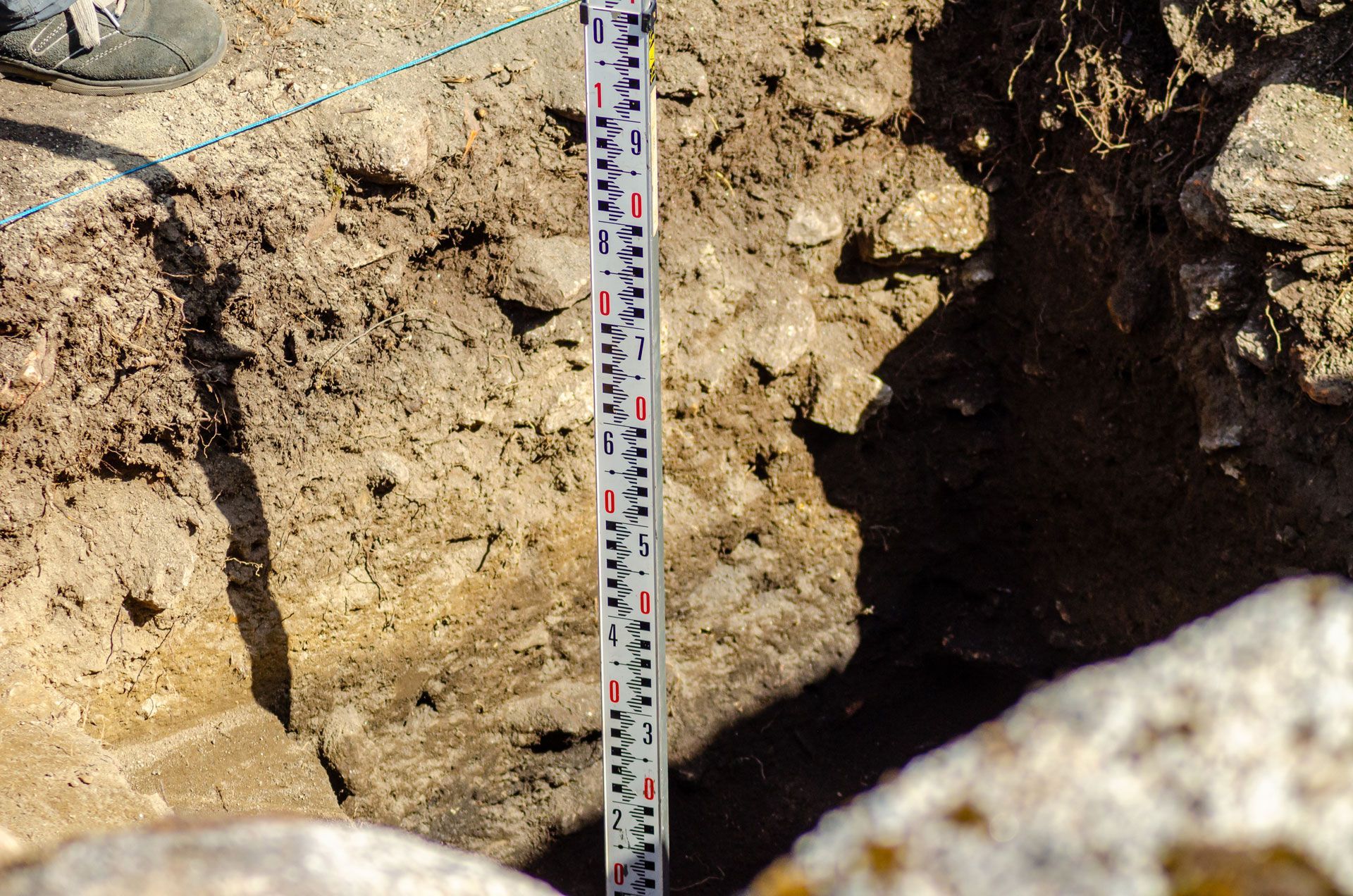
The first layer the bit goes through is the unsaturated zone, also called the vadose zone.
This is the part of the ground where soil and rock contain some moisture, but the pores are not fully filled with water.
Most Common Layers in Arizona’s Unsaturated Zone
Depending on the region, we typically drill through:
- Sandy soils
- Caliche (cement-like desert hardpan)
- Clay beds
- Alluvial deposits
- Gravel layers
- Volcanic ash or basalt (common in northern AZ)
Cuttings are brought up to the surface by either air or drilling mud.
Step 3: Reaching the Water Table
Homeowners often ask:
“What happens when you drill through the unsaturated zone?”
Answer: You reach the saturated zone, which begins at the water table—the top of the aquifer.
This is where all pores and fractures are fully filled with groundwater.
In Arizona, water table depth can vary from:
- 150–400 feet in areas like St. Johns
- 500–1,200+ feet in Phoenix basins
- 300–800 feet in Tucson regions
Step 4: Drilling Into the Aquifer
Once the rig reaches the aquifer, drilling continues deeper into the water-bearing formation to build a stable, high-yield well.
Common aquifers in Arizona include:
- Alluvial aquifers (sand, gravel)
- Basin-fill aquifers (major population centers)
- Fractured bedrock aquifers (north and eastern AZ)
The drilling rig continues rotating and circulating air/mud to remove cuttings.
Step 5: Installing the Well Casing
After the final depth is reached, steel or PVC casing is lowered into the borehole.
Casing protects your well by:
- Preventing collapse
- Blocking contaminants
- Supporting long-term water flow
We then set well screens in the aquifer zone to allow clean water in while filtering sediment.
Step 6: Gravel Packing & Annular Seal
A specially sized gravel is placed around the screened section to filter water.
Above that, we create a bentonite seal to prevent surface contamination from entering the well.
Step 7: Deep Cleaning & Air Development
Using high-pressure air, we flush the well to:
- Remove fine particles
- Improve flow rate
- Increase water clarity
- Develop the well to its maximum yield
This process can dramatically increase gallons-per-minute output.
Step 8: Installing the Water Well Pump
Once development is complete, we install the pump system—typically a submersible pump placed deep in the aquifer.
Pump size depends on:
- Depth
- Water level
- Household or irrigation needs
- Desired flow rate (GPM)
Step 9: Water Testing & Final Inspection
Before finishing the job, professional drillers perform:Pump size depends on:
- Flow rate testing
- Pressure testing
- Water quality testing
- Safety inspections
This ensures your water is clean, reliable, and safe.
4. Drilling Rigs Used in Arizona
Arizona geology requires more than a basic drilling setup. Most professional drillers use one of these rig types:
Air Rotary Rigs (Most Common in Arizona)
Uses compressed air to lift cuttings. Ideal for:
- Hard rock
- Desert soils
- Deep aquifers
- Fast drilling
Mud Rotary Rigs
Uses drilling fluids to stabilize loose soils. Ideal for:
- Alluvial aquifers
- Sandy or unstable formations
Dual Rotary Rigs
Excellent for challenging geology and deep wells.
Arizona Well Drilling LLC uses rigs matched specifically to each region’s subsurface structure.
5. How Deep Do Rigs Drill in Arizona?
Arizona has some of the deepest groundwater wells in the country. Typical depths:
| Region | Region Typical Well Depth |
|---|---|
| Phoenix Basin | 700–1,200+ ft |
| Tucson | 300–800 ft |
| St. Johns | 150–400 ft |
| Prescott | 600–1,000 ft |
| Gila/Maricopa Counties | 800–1,500 ft |
The drilling rig must be powerful enough to handle these depths safely.
6. How Rigs Handle Arizona’s Tough Geology
Arizona has an extremely mixed geological profile, meaning the rig may encounter:
- Caliche
- Dense clay
- Packed gravel
- Bedrock
- Basalt
- Sedimentary rock
- Volcanic layers
- Fractured rock
Each layer requires different:
- drill bits
- air pressure
- speed
- torque
- drilling technique
Experienced drillers adjust constantly throughout the process.
7. Safety Systems Built Into Modern Drilling Rigs
Water well drilling rigs include multiple safety features:
- Blowout preventers
- Emergency shutoffs
- High-pressure hose controls
- Stabilizers
- Automated pipe handlers
A properly trained crew keeps all systems within safe operating conditions at all times.
8. Why Homeowners Shouldn’t Attempt DIY Drilling
You may have seen “DIY water well drilling rigs” online—but these setups cannot reach Arizona aquifers.
Why DIY rigs fail in Arizona:
- Cannot penetrate hard rock or caliche
- Not legal without permits
- Not strong enough for depths over 100–150 ft
- Risk of contamination
- Cannot install casing or screens properly
- Safety hazards
- Not ADWR-compliant
DIY systems work only in wet, shallow regions with soft soil—not in Arizona.
9. Why a Professional Rig (and Team) Matters
The success of your well depends on the rig and the crew operating it.
At Arizona Well Drilling LLC, our rigs and crew deliver:
- Accurate aquifer targeting
- Faster drilling times
- Safer operations
- Longer-lasting wells
- Higher output (GPM)
- Cleaner water quality
Experience + proper equipment = a better well.
10. The Rig Is Only Half the Job
Even the best drilling rig cannot guarantee a productive well without:
- Geophysical testing
- Aquifer analysis
- Accurate siting
- Proper casing
- Correct screen size
- Skilled air development
- Professional pump installation
- Ongoing maintenance
That’s why choosing an experienced team matters more than the machine itself. If you want a high yield well, call our experts at Arizona Well Drilling to learn more.